
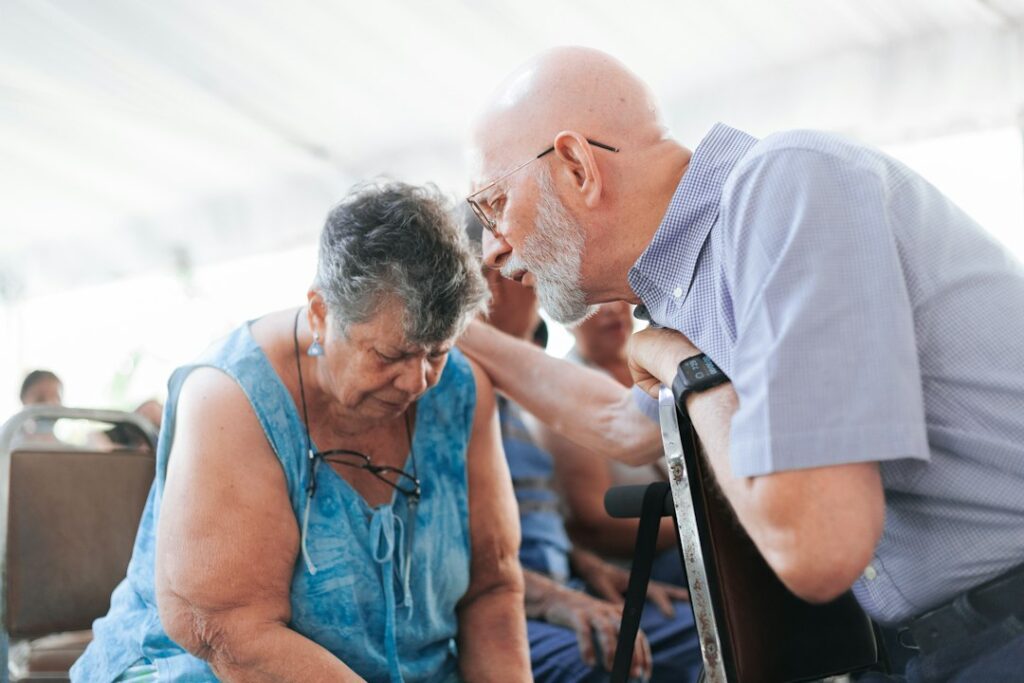
What are integrative therapies in assisted living?
Integrative therapies are supportive approaches used alongside regular medical care, personal assistance, rehabilitation, and social activities. They may help residents manage stress, discomfort, loneliness, sleep problems, or changes in mood, but they do not replace prescribed treatment.
In an assisted living community, integrative care may include:
- Music, art, and reminiscence activities
- Guided breathing, meditation, or relaxation exercises
- Gentle stretching, chair yoga, tai chi, or balance activities
- Massage or therapeutic touch when appropriate
- Aromatherapy used cautiously
- Gardening, time outdoors, and sensory activities
- Pet or animal-assisted activities
- Mindfulness-based activities
- Acupuncture or other services provided by qualified practitioners
The term “integrative” emphasizes coordination. A therapy should fit the resident’s health conditions, preferences, medications, mobility, and personal goals.
How can these therapies help older adults?
The most realistic benefits are often related to comfort, participation, and quality of life. A resident may feel calmer after a guided breathing session, more socially connected during a music group, or more confident after gentle movement practice.
Possible goals include:
- Reducing everyday stress or restlessness
- Supporting sleep routines
- Easing muscle tension or mild discomfort
- Encouraging movement and flexibility
- Stimulating memories and conversation
- Supporting emotional expression
- Making daily routines more meaningful
- Increasing social interaction
Results vary from person to person. A therapy that is enjoyable and calming for one resident may be tiring, uncomfortable, or uninteresting for another. The most useful approach is usually individualized rather than based on a fixed schedule for everyone.
Which therapies are commonly appropriate in an assisted living setting?
Low-risk activities that can be adapted to different abilities are often the easiest to include. Music, storytelling, drawing, familiar scents, hand massage, seated stretching, and gardening activities can often be modified for residents who use walkers, wheelchairs, or other mobility aids.
Music-based activities may include singing, listening to familiar songs, playing simple instruments, or discussing memories connected to music. These activities can be especially helpful for residents who have difficulty expressing themselves through long conversations.
Movement-based activities should focus on safe participation rather than athletic performance. Chair exercises, slow stretching, and balance practice may be useful, but residents should be able to stop when they feel pain, dizziness, shortness of breath, or unusual fatigue.
Relaxation activities may involve quiet breathing, guided imagery, progressive muscle relaxation, or a peaceful sensory environment. These practices should not pressure a resident to close their eyes, discuss private feelings, or participate in a group.
Are integrative therapies safe for residents with medical conditions?
They can be safe when properly selected and supervised, but “natural” or “gentle” does not automatically mean risk-free. Older adults may have complex medical needs, fragile skin, osteoporosis, diabetes, heart or lung conditions, memory loss, or increased sensitivity to medications and changes in balance.
Before participating, the care team should consider:
- Current diagnoses and recent health changes
- Fall risk and ability to transfer safely
- Skin condition, circulation, and areas of pain
- Hearing, vision, and cognitive needs
- Medication effects such as dizziness or drowsiness
- Allergies or breathing sensitivities
- Personal, cultural, and religious preferences
Residents should be able to decline an activity without pressure. Consent is particularly important for touch-based therapies, personal questions, photographs, animal visits, and activities involving unfamiliar people.
What about herbs, vitamins, essential oils, and other supplements?
Supplements require more caution than many activity-based therapies. Herbal products and concentrated oils can interact with prescription medicines, affect blood pressure or blood sugar, increase bleeding risk, or cause allergic reactions. Some products may also be difficult to identify accurately or may vary in strength.
Residents should not begin, stop, or change a supplement without discussing it with the prescriber, pharmacist, or another qualified member of the health care team. The assisted living medication process should include any nonprescription products the resident uses.

Essential oils also deserve careful handling. They should not be swallowed unless specifically directed by a qualified clinician, and they may irritate the skin or worsen breathing symptoms. Strong scents can be unpleasant or confusing for residents with asthma, migraines, dementia, or sensory sensitivities.
How do integrative therapies fit into Pennsylvania assisted living?
Assisted living residences in Pennsylvania are expected to provide daily social and recreational opportunities and to support residents’ personal care needs. Communities may also arrange supplemental services such as physical therapy, occupational therapy, behavioral health services, skilled nursing, or home health services when appropriate.
That does not mean every residence offers every integrative therapy. Programs differ according to staffing, resident interests, available space, safety procedures, and whether an outside licensed practitioner is involved.
A resident or family member can reasonably ask:
- Is the activity part of the regular program or an outside service?
- Who leads it, and what training do they have?
- How are residents screened for safety?
- Can the activity be adapted for limited mobility or memory loss?
- Are there additional fees?
- How are refusals, discomfort, or adverse reactions documented?
- Does the activity fit the resident’s care plan?
These questions help distinguish a thoughtful wellness activity from an unsupported promise of medical benefit.
What local conditions should residents consider in Clarion, PA?
Seasonal weather can affect which therapies are practical. Outdoor walking, gardening, and nature-based activities may be appealing during mild weather, while indoor movement, music, crafts, and sensory programs become more useful during cold, wet, or icy periods.
Winter conditions also make fall prevention especially relevant. Residents may need indoor alternatives when sidewalks, parking areas, or building entrances are slippery. A meaningful program should not depend entirely on outdoor access.
The area’s smaller-community character may also make familiar music, local memories, family stories, seasonal traditions, and intergenerational visits especially valuable. These activities can support identity and connection without requiring strenuous exercise or complicated equipment.
How can families tell whether a therapy is helping?
Improvement may appear as a small change rather than a dramatic result. A resident may attend meals more comfortably, sleep with fewer interruptions, participate in conversation, or show less agitation during a particular part of the day.
Useful observations include:
- Mood before and after the activity
- Willingness to participate
- Pain, fatigue, or dizziness afterward
- Sleep quality that night
- Changes in appetite, conversation, or social engagement
- Whether the resident asks to repeat the activity
A simple record can help identify patterns. If a resident becomes distressed, unusually sleepy, unsteady, short of breath, or physically uncomfortable, the activity should be stopped and reported to the appropriate care staff.
Integrative therapies work best as one part of a broader care plan. Their value comes from respectful choice, realistic expectations, proper safety checks, and attention to the resident’s whole daily experience—not from replacing medical treatment with an unproven remedy.
