

Assisted living can promote senior mobility by combining regular movement, safer surroundings, daily encouragement, and support matched to each resident’s abilities. The goal is not simply to help older adults walk farther. It is to help them move safely and confidently through everyday activities while preserving as much independence as possible.
How does assisted living support mobility?
Assisted living supports mobility by making movement part of the daily routine rather than treating it as a separate task. Residents may walk to meals, take part in guided exercises, move between common areas, or practice daily activities such as standing from a chair and getting in and out of bed.
This regular activity can help reduce the effects of prolonged sitting. Long periods of inactivity may contribute to stiffness, muscle weakness, reduced balance, and less confidence. A supportive setting gives residents more opportunities to move throughout the day at a comfortable pace.
Mobility support may include:
- Encouragement to walk short distances regularly
- Assistance with transfers between beds, chairs, and bathrooms
- Seated or standing exercise programs
- Balance and strength activities suited to individual ability
- Proper use of walkers, canes, or wheelchairs
- Rest periods to prevent fatigue
- Observation for changes in walking, posture, or balance
The appropriate level of help varies. Some residents may need only reminders or supervision, while others may require hands-on assistance.
Why is daily movement important for older adults?
Daily movement helps maintain the strength, flexibility, balance, and coordination needed for ordinary tasks. These abilities affect more than walking. They also influence whether a person can dress, bathe, reach for an item, rise from a chair, or respond safely when balance changes.
Regular movement may help older adults:
- Maintain leg and core strength
- Reduce stiffness in the hips, knees, ankles, and shoulders
- Support better balance and coordination
- Preserve confidence during walking
- Make transfers easier
- Stay engaged in social activities
- Reduce dependence caused by inactivity
Movement does not need to be strenuous to be useful. A short walk, repeated sit-to-stand practice, gentle stretching, or a seated leg exercise may be appropriate depending on a resident’s health and care plan.
A common misconception is that a person must exercise continuously for mobility activity to matter. Several brief periods of movement spread across the day may be more realistic and sustainable than one demanding session.
How do assisted living communities make walking safer?
Environmental design can reduce avoidable obstacles and make it easier for residents to move independently. Clear pathways, adequate lighting, stable flooring, accessible seating, and handrails can all support safer walking.
Bathrooms and bedrooms require particular attention because falls often occur during transfers, nighttime walking, or movement on wet surfaces. Safety features may include grab bars, raised toilet seats, non-slip flooring, and appropriate lighting between the bed and bathroom.
Residents may also benefit from:
- Chairs with arms and a suitable seat height
- Frequently used items placed within easy reach
- Hallways free of loose rugs, cords, and clutter
- Resting places along longer walking routes
- Properly fitted footwear
- Mobility devices adjusted to the resident’s height
Safety does not mean removing every challenge. Over-assisting can sometimes lead to greater weakness if a resident is capable of completing part of a task independently. The better approach is usually to provide the least amount of assistance that allows the activity to be completed safely.
What role do caregivers play in maintaining mobility?
Caregivers can notice small changes that may otherwise go unrecognized. A resident who begins taking shorter steps, holding onto furniture, avoiding activities, or needing more help to stand may be experiencing pain, weakness, dizziness, medication effects, or a change in health.
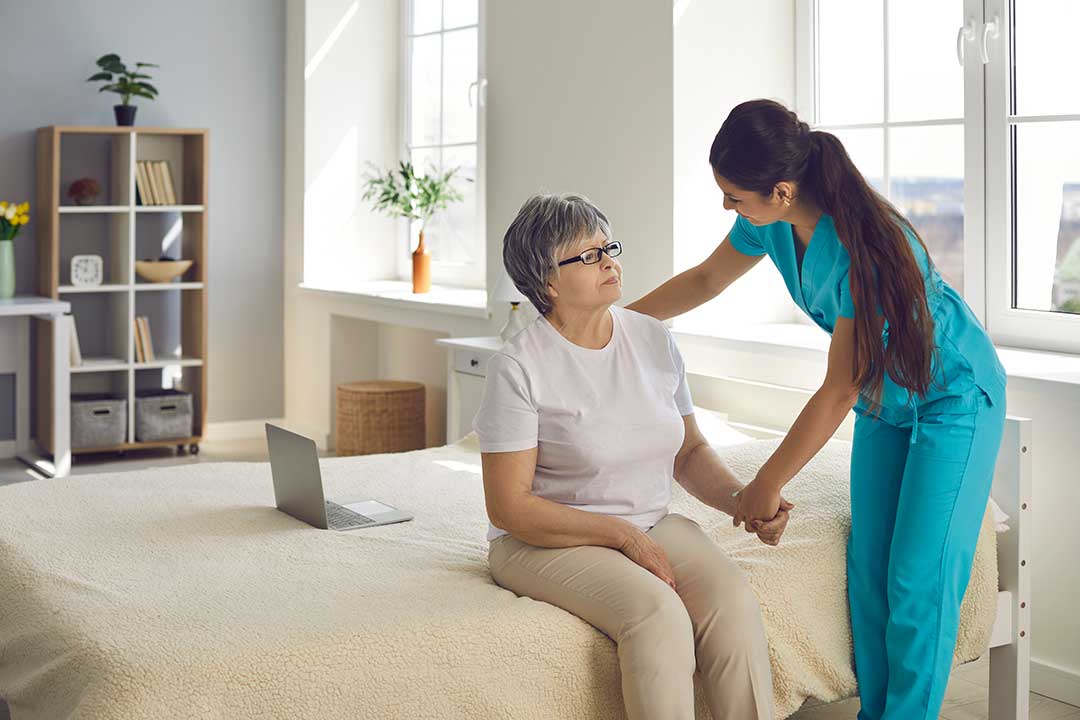
Observations may be shared with the appropriate members of the care team so that the resident’s support plan can be reviewed. Depending on the situation, a healthcare provider or rehabilitation professional may need to assess the change.
Caregivers also help by allowing enough time for residents to move at their own pace. Rushing can increase anxiety and raise the risk of losing balance. Clear instructions, calm encouragement, and consistent routines can help residents feel more secure.
Mobility assistance should preserve dignity. Asking before providing hands-on help, explaining each step, and recognizing what a resident can still do independently are important parts of respectful care.
Can assisted living help residents who use walkers or wheelchairs?
Yes. Residents who use walkers, wheelchairs, or other mobility devices can still participate in movement programs and daily activities. The focus may be on safe transfers, upper-body strength, seated balance, wheelchair positioning, or short periods of supported walking.
A mobility device should match the resident’s needs and be used correctly. A walker that is too tall, a wheelchair with poor positioning, or a cane held on the wrong side may make movement less safe. Devices may also require periodic checking as a resident’s strength, balance, or physical condition changes.
Wheelchair use does not automatically mean a person should remain seated throughout the day. With appropriate support, a resident may participate in stretching, standing practice, transfers, or other activities that are safe for that individual.
How do seasons and local conditions affect senior mobility?
Seasonal conditions can influence how older adults move both inside and outside. In Clarion, PA, winter weather may bring snow, ice, cold temperatures, and reduced daylight. These conditions can make outdoor walking more difficult and may increase the need for indoor walking routes, appropriate footwear, and careful attention to entrances and sidewalks.
During colder months, residents may spend more time indoors. Indoor movement opportunities become especially useful, including hallway walks, group exercises, supervised stretching, and routine movement between activities.
Warmer weather can create different concerns, such as dehydration, heat-related fatigue, or uneven outdoor surfaces. Residents may need activity scheduled during more comfortable parts of the day, with access to water, shade, and rest.
Mobility planning should account for the person’s health, footwear, vision, balance, and the condition of the walking surface rather than assuming that outdoor activity is always safer or more beneficial.
What should families ask about mobility support?
Families can ask practical questions that reveal how mobility is addressed in daily care. Useful questions include:
- How is a resident’s walking ability assessed when needs change?
- Are movement or exercise activities offered every day?
- How are walkers, canes, and wheelchairs incorporated into routines?
- What happens if a resident begins falling or becomes less steady?
- Are there safe indoor walking areas during poor weather?
- How are families informed about a change in mobility?
- Does the care plan identify what the resident can do independently?
It is also helpful to describe the resident’s usual abilities, preferred routines, previous falls, fears about walking, and any signs of pain or dizziness. Familiar information can help the care team distinguish a normal preference from a meaningful change.
When should a mobility change receive prompt attention?
A sudden decline in walking, new unsteadiness, repeated falls, severe pain, fainting, chest discomfort, unusual shortness of breath, or new confusion should be treated as a health concern rather than simply an aging-related change. These symptoms may require prompt medical evaluation.
Even gradual changes deserve attention. A resident who stops joining meals, avoids the bathroom without help, or spends much more time in bed may be losing strength or feeling unsafe. Early recognition can allow the care plan to be adjusted before reduced activity leads to greater weakness.
Assisted living promotes mobility most effectively when movement is individualized, consistent, and connected to everyday life. Safe surroundings, respectful assistance, regular activity, and timely attention to health changes can help older adults remain engaged in the routines that matter to them.
