
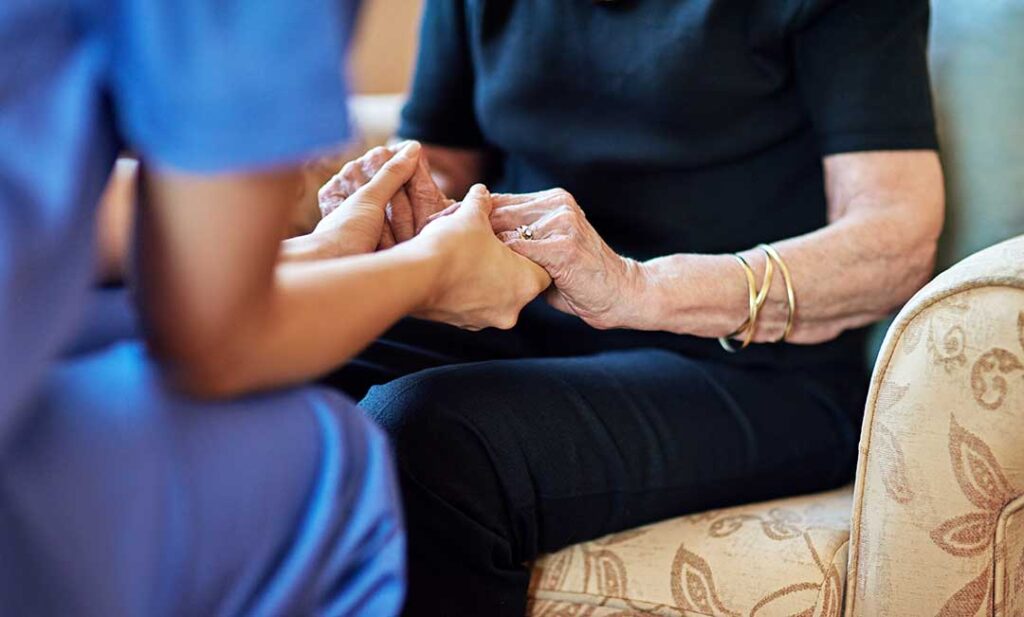
What Does Dementia Support Look Like in Assisted Living?
Supporting those with dementia in an assisted living environment means more than just supervision; it involves adapting care and the daily setting to meet cognitive, physical, and emotional needs. Residents and families often wonder how daily life looks different for someone coping with dementia. Practical adaptations may involve tailored routines, environmental adjustments, and an ongoing commitment to person-centered care.
In Clarion, PA, seasons, local housing layouts, and nearby amenities all influence how dementia support is structured. For example, longer winter months may affect safe access to outdoor spaces, requiring more indoor engagement options. Residences tend to feature layouts designed for safety and simplicity, such as clear walkways, secured exits, and distinct visual cues.
How Can Daily Routines Help Residents With Dementia?
Predictable, structured routines are calming and empowering for those experiencing memory loss or confusion. A dependable schedule can ease anxiety and reduce agitation for seniors who struggle with time, sequence, or remembering appointments.
Daily routines often include:
- Meals at consistent times, in the same setting, with gentle reminders.
- Group activities that repeat throughout the week, such as music or simple crafts.
- Personal care like bathing and dressing delivered at familiar points in the day.
- Quiet times or low-stimulation periods for rest and relaxation.
Especially in a smaller community, routines may also involve familiar faces among staff and residents, which supports comfort and reduces confusion.
What Are Common Misconceptions About Dementia Care in Assisted Living?
It’s a frequent belief that assisted living is not appropriate for people with moderate memory loss or changing cognitive abilities. The reality is that many local assisted living communities can adapt to a wide range of dementia needs—so long as the person does not need skilled nursing or intensive medical care.
Another misconception is that specialized dementia units are always necessary. While some people need more secure memory support, many can thrive in a standard setting with the right environmental supports, patient caregivers, and community engagement.
Which Safety Measures Matter Most?
Safety adaptations are at the core of dementia care. Secured entrances and exits, motion-sensor lighting, and simple room layouts lower the risk of wandering or falls. In Clarion, homes often need cold-weather adaptations, such as non-slip mats, extra handrails, and careful attention to ice or snow near entrances.
Additional practical safety measures:
- Clearly marked bathrooms and hallways.
- Minimizing area rugs and clutter.
- Emergency plans that account for those who may not reliably recall instructions.
Neighbors and friends in tight-knit communities can play a valuable safety role, watching for anyone who appears lost or confused outdoors—especially during local events when crowds may be present.
How Should Communication Be Adjusted for Dementia?
Residents with dementia may experience language loss, trouble finding words, or difficulty understanding instructions. Simple adjustments can dramatically improve communication and reduce frustration:
- Speak slowly, using short sentences.
- Listen patiently and allow extra time for replies.
- Use cues like gestures, demonstration, or written notes.
- Keep background noise low during conversations, especially in communal areas.
Care partners and staff should avoid correcting or arguing about forgotten facts; validation and gentle redirection help conversations remain calm and positive.
Are Local Activities and Social Connection Still Possible?
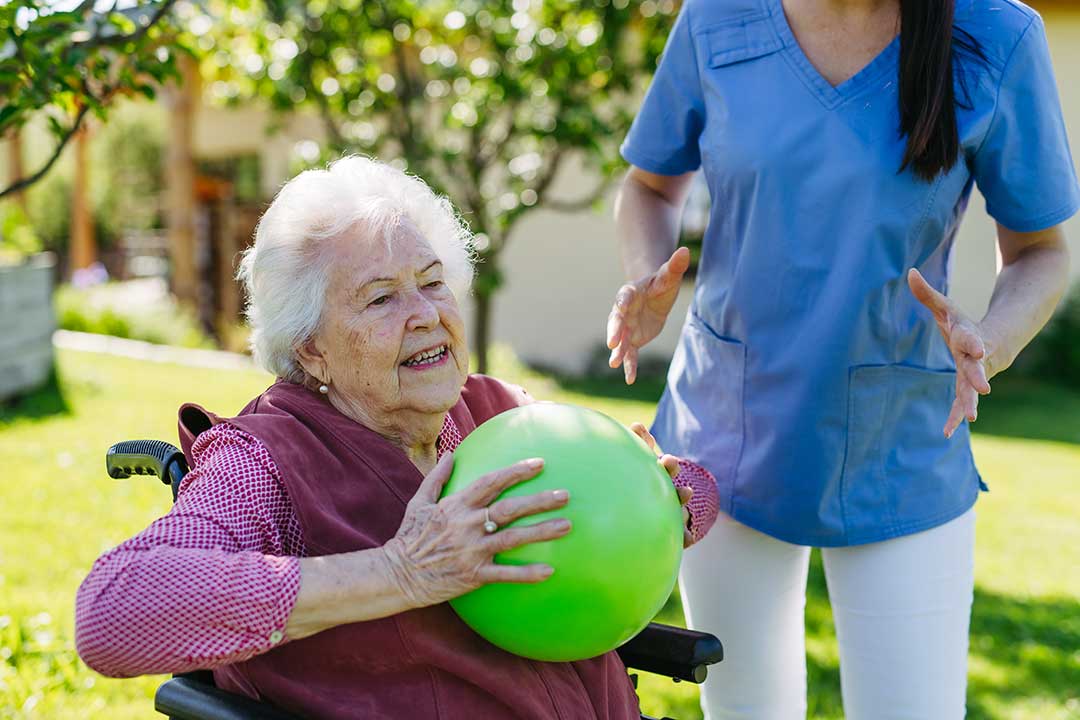
Yes, engagement in social activities remains vital, even as cognitive abilities change. In the Clarion area, seasonal fluctuations and local traditions may affect what activities are available, but most assisted living settings offer adaptable options:
- Group music sessions, which can spark memories and foster connection.
- Art and craft projects tailored for ease of participation.
- Small-group games, designed with flexible rules for varying levels of understanding.
- Celebrations of local holidays, fairs, and community events—adapted for accessibility and comfort.
Personalizing activities based on the individual's interests and past experiences helps residents feel seen and included.
How Should Families and Friends Support a Loved One With Dementia?
Family and community support is central to thriving with dementia. Visiting regularly helps orient residents to their environment and maintain important relationships. When visiting, small gestures like bringing familiar music, photos, or favorite snacks can make visits meaningful.
- Opt for shorter, more frequent visits if long interactions become tiring.
- Use old photos or objects to prompt memories and enjoyable conversation.
- Accept changes in personality or memory as part of the condition, not a lack of effort.
Many residents appreciate written notes or familiar items in their room, particularly when weather or schedules limit in-person visits.
What Role Can Neighbors and the Wider Community Play?
In a smaller city like Clarion, neighbors, friends, and even store clerks may recognize and interact with residents of assisted living homes. Understanding common dementia behaviors, like confusion or repetitive questions, promotes acceptance and patience.
- Being friendly and patient during brief public encounters.
- Offering assistance if someone appears disoriented, rather than avoiding interaction.
- Respecting privacy while supporting independence—don’t overpower decision-making unless there’s a safety risk.
Wider education about dementia helps keep the city a supportive place for everyone, enabling residents to participate in community life as fully as possible.
